The class I ride

HOBBY
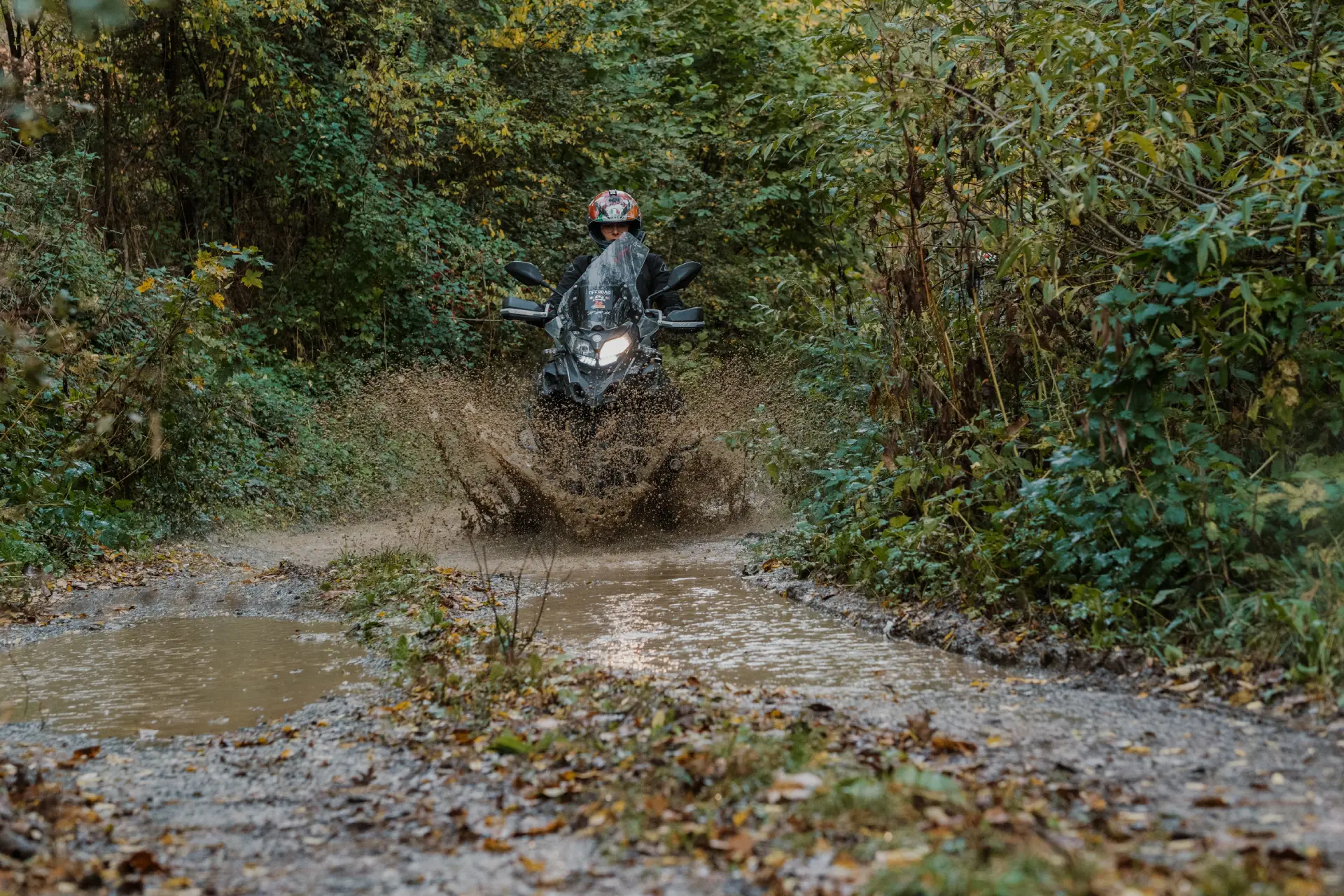
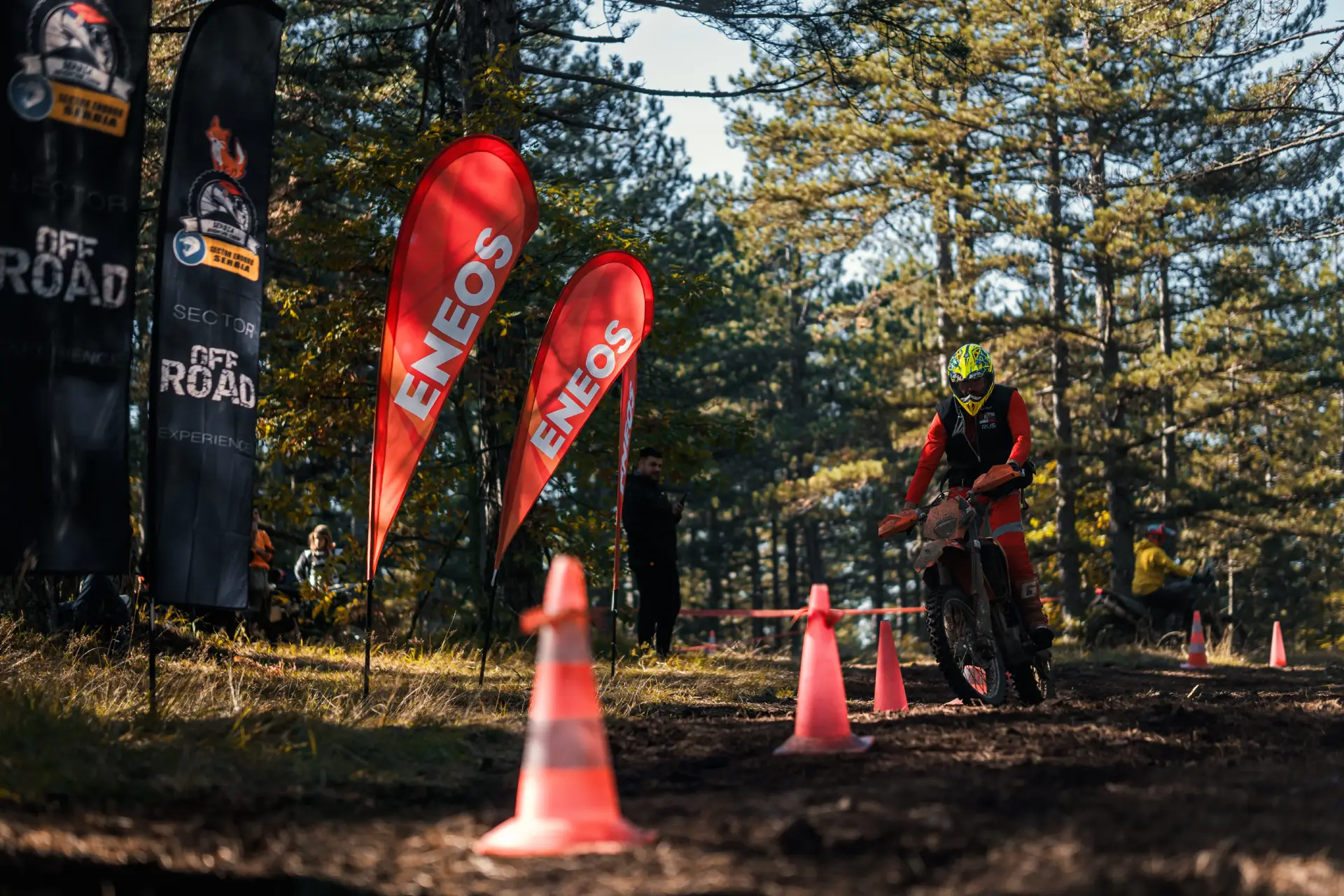
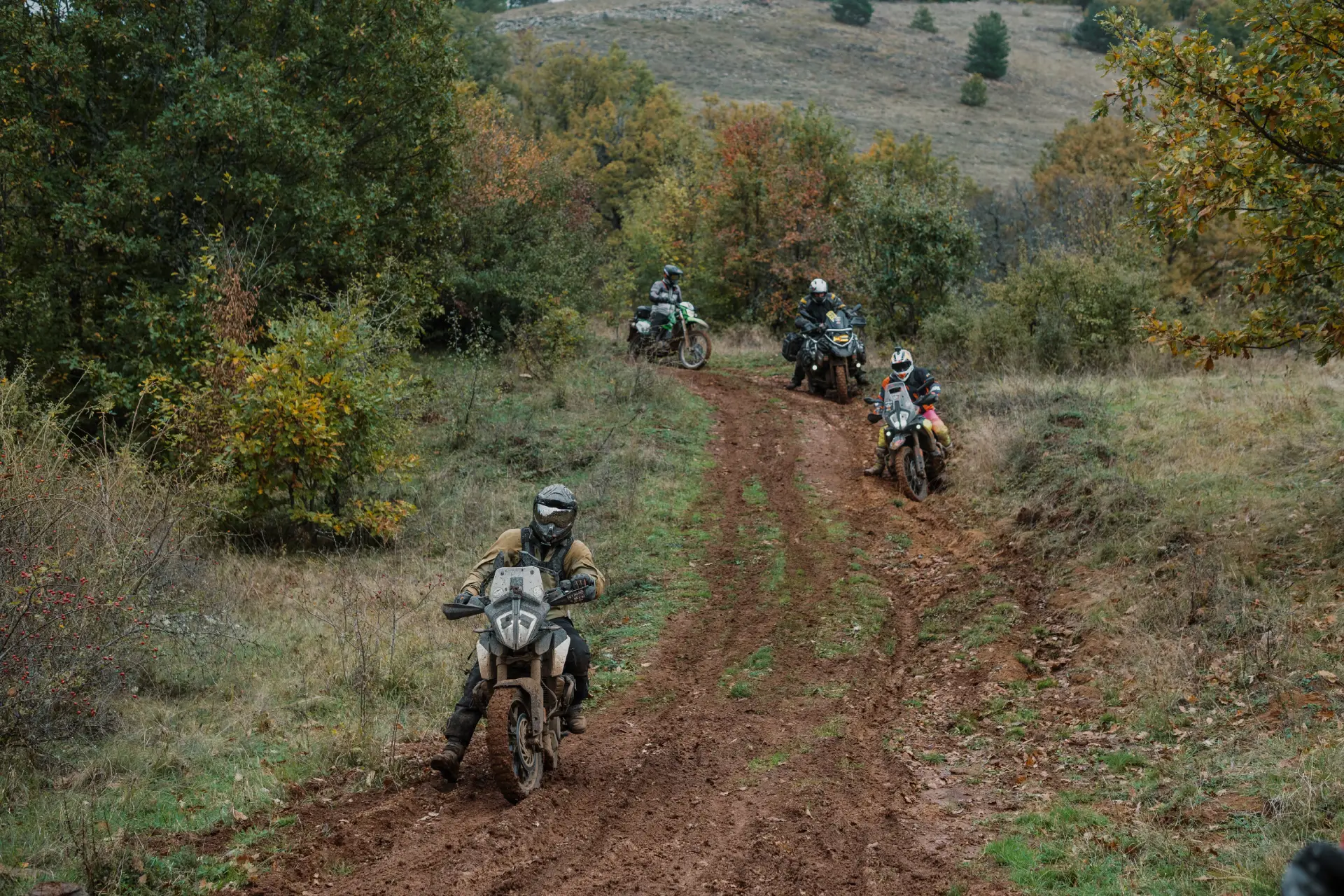
The class is intended for those with little off road experience or for whom this will be their first time at the event. The route is 80–90% off road, consisting of forest trails, fire roads, and gravel paths. All the landscapes are fantastic, and there are no sections that would be dangerous or too challenging for riders.
This class always has at least one guide who knows the route by heart, and it is recommended to ride with them, as they set an appropriate pace and can offer advice or assistance. In addition, they are always there to report any potential issues and explain exactly where you are located.
The route is designed to combine off road riding, socializing, and beautiful landscapes that are not easy to discover on your own. The track length ranges from 70 to 90 km.

ADVENTURE
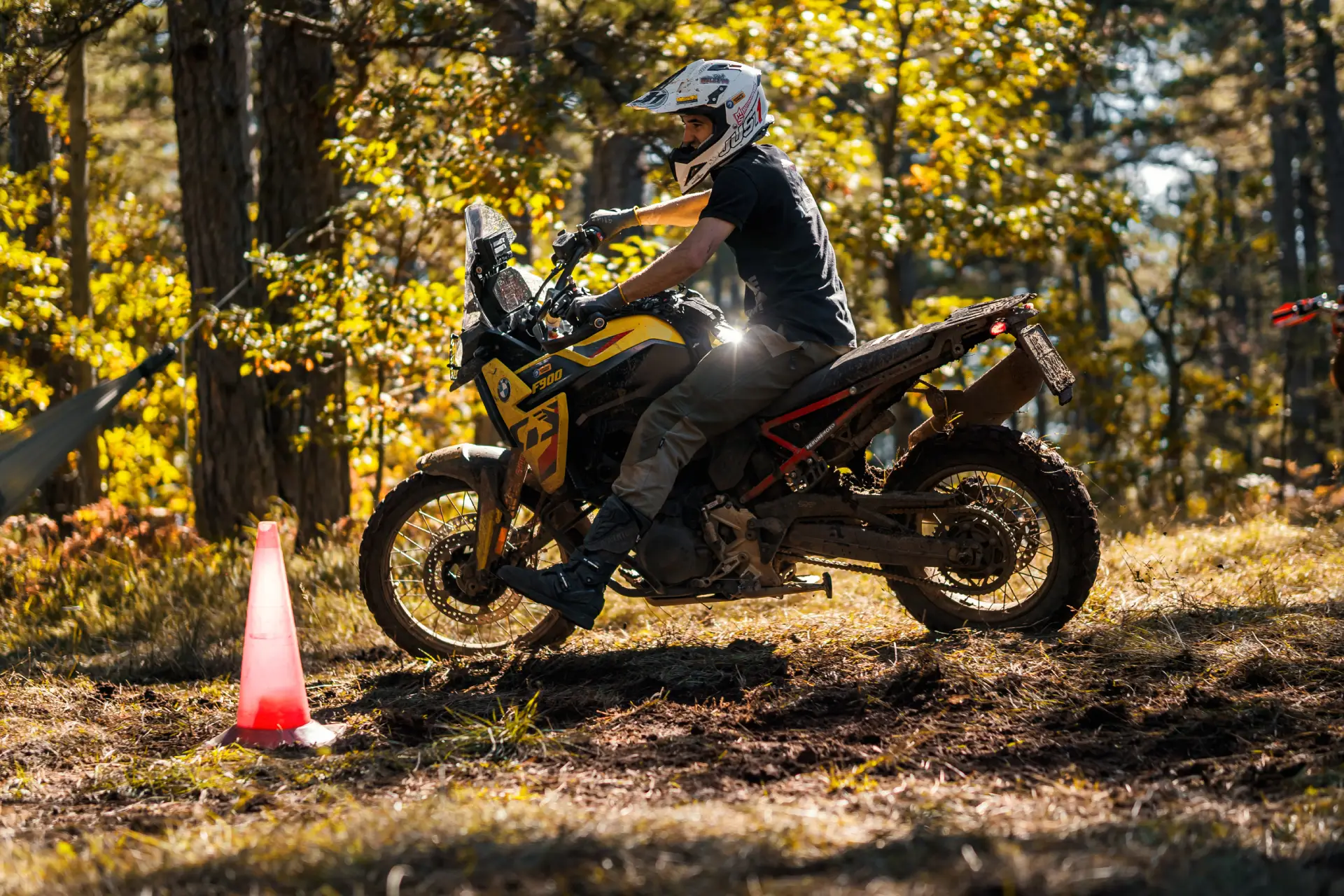
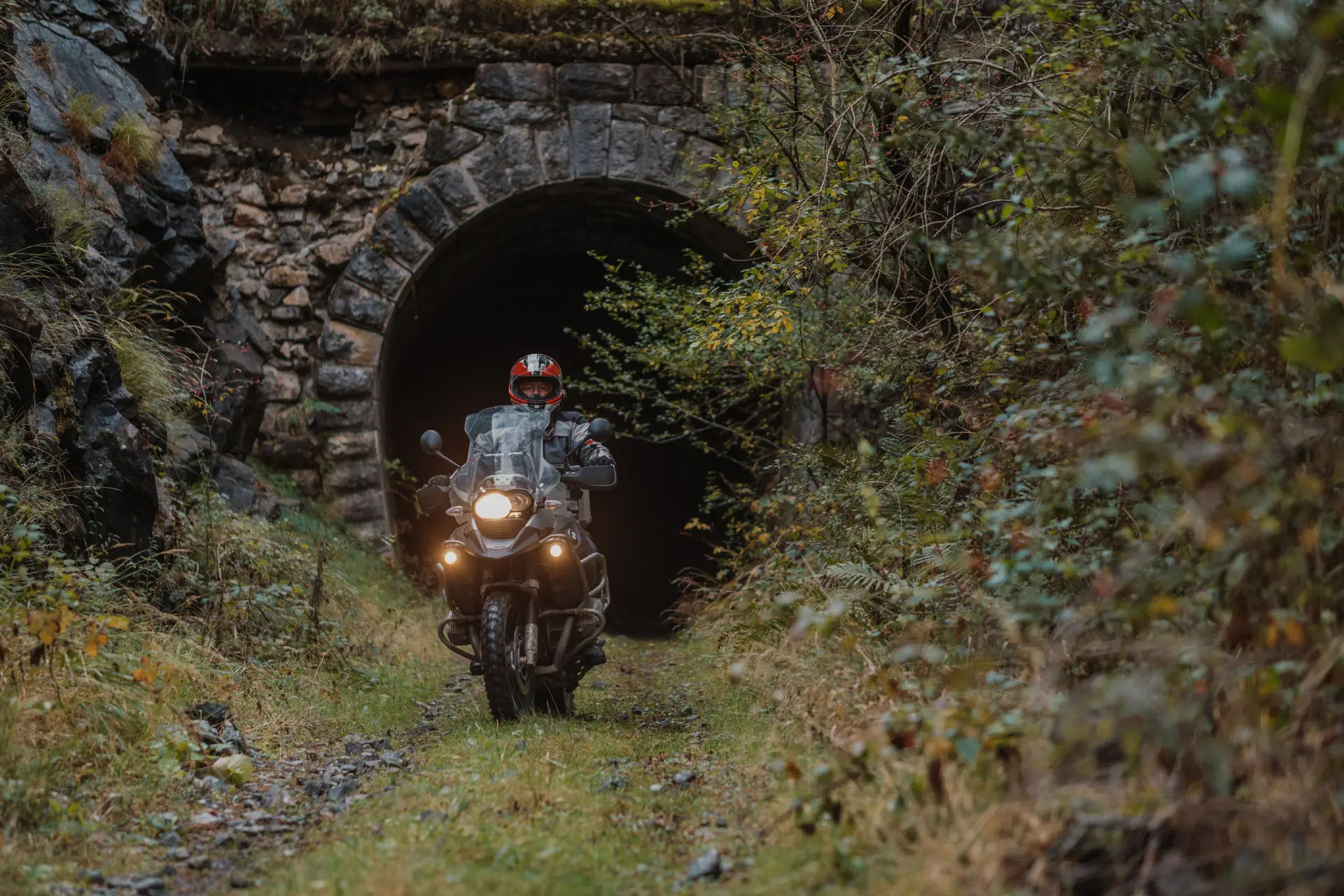
A class for more experienced riders and those who want to become one. It is longer than the Hobby route and significantly more demanding. It includes gravel and forest roads, as well as occasional washouts, uphill and downhill sections that require some basic experience and skills.
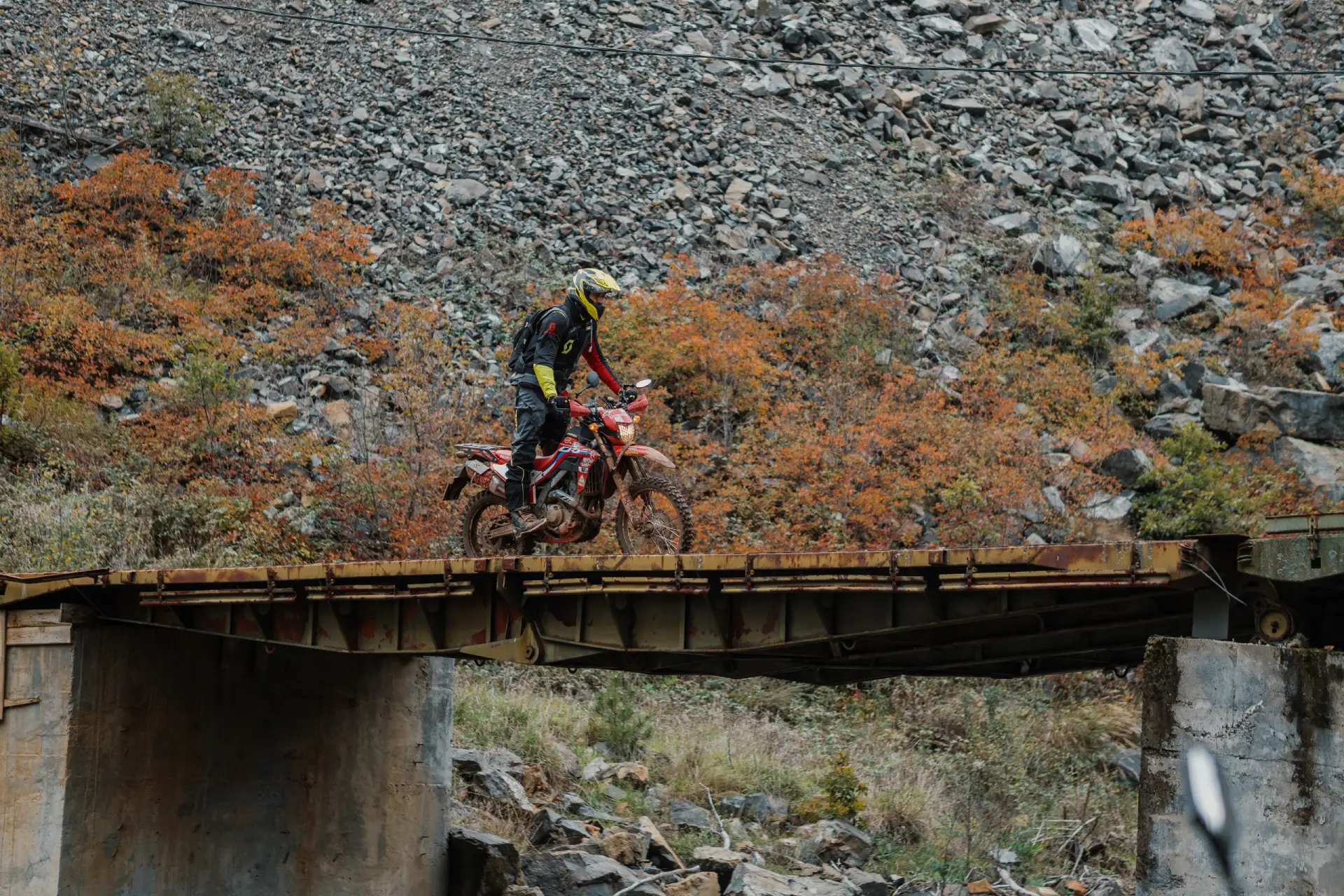
Due to the specific terrain of Tara and Zlatibor, there are many rocky sections, abandoned old forestry roads, and even old military mountain paths. It is much more intense than the Hobby class, with frequent challenging sections that often require teamwork. Most of these sections can usually be bypassed if needed.
Tracks and Navigation

Route marking
Both classes navigate using GPS, and the tracks are available a few days before the ride. Certain turns where confusion might occur are usually clearly marked with red tape.

GPS
The tracks are in GPX format, and if you are using a phone, we recommend apps such as GPX Viewer PRO or similar. We also advise turning off features like Energy Saver, automatic screen lock, and anything that could interrupt navigation.
For those using it for the first time, it is recommended to install the app in advance and test it at least in the city.

Riding in groups
The best riding format for this event. We recommend that riders form their own groups for several reasons: it’s always more fun in a group, there’s always someone to help, groups usually form with similar skill levels, there are more frequent stops for rest which allows you to enjoy the scenery and share impressions, and there’s always someone who can offer advice. Plus, there’s usually someone with GPS experience as well.
The ideal group size is from 2 to 7–8 riders for a comfortable ride. Larger groups are also possible, and they are usually made up of less experienced riders, so it is advisable to have one or two more experienced riders in such groups.
Motorcycles and Equipment
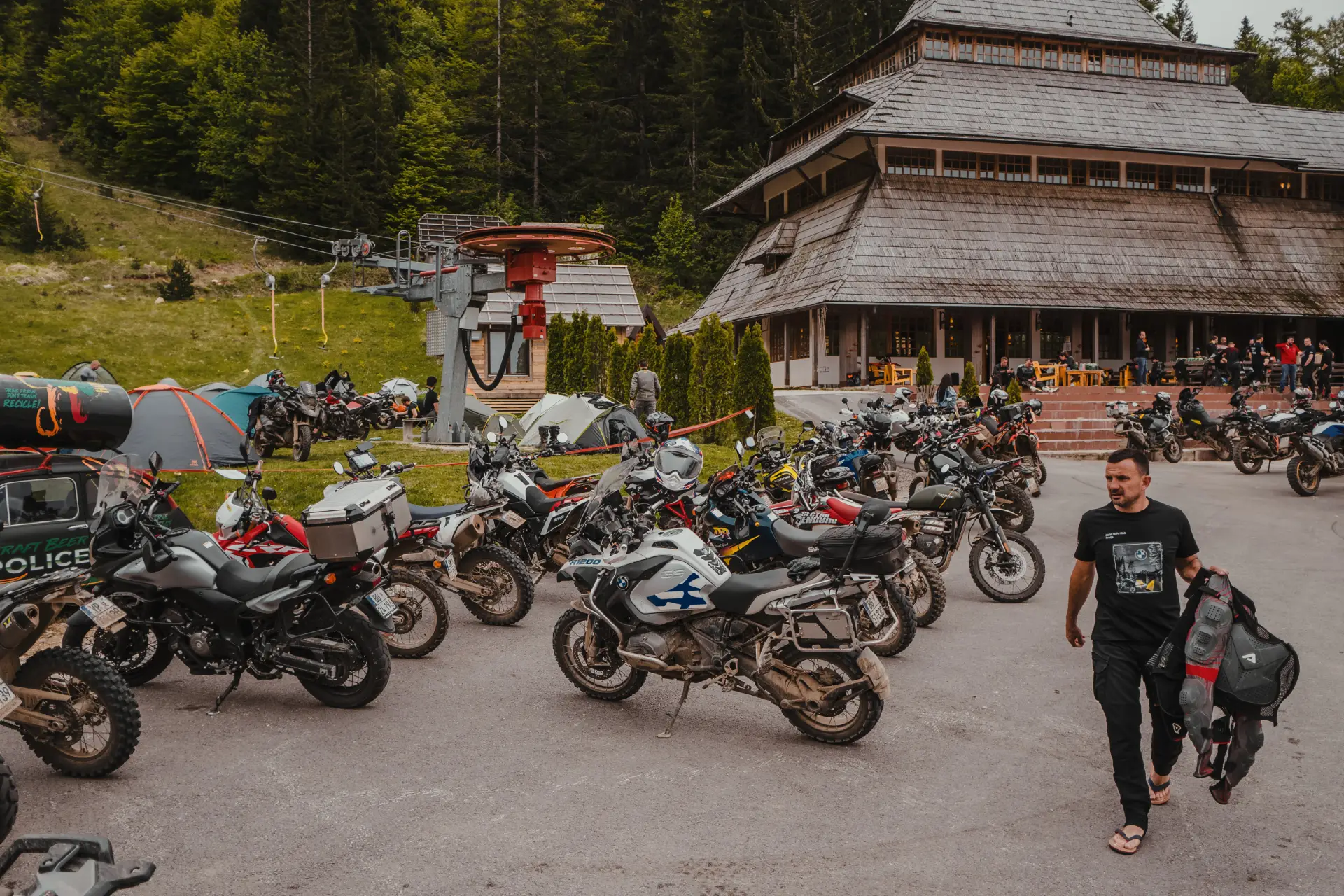
It is best for the motorcycle to be an adventure, dual sport or enduro.We do not recommend using street bikes. Ideally, the bike should have basic protection such as a skid plate, handguards, and crash bars.
Tires should be at least 50/50 for both classes and not overly inflated – around 1 bar is recommended. It is important to carry a backpack with basic tools, water, and some snacks.
All equipment is MANDATORY: helmet, goggles, gloves, body armor, knee protection, and boots (at least adventure boots)..
Carry a first aid kit.
All equipment is MANDATORY: helmet, goggles, gloves, body armor, knee protection, and boots (at least adventure boots)..
Carry a first aid kit.
We Protect Nature and Community

Populated areas, local residents, domestic animals
When passing through populated areas, near local residents, and around domestic animals—even if they are behind a fence—be sure to reduce your speed to a minimum. Always greet people politely.
If you see animals standing directly on the path you need to take, first turn off your engines and wait a bit to see if they move on their own. Horses and sheep usually will, but cows may just stand there and look at you. In that case, start moving very slowly and carefully pass by—they might not move at all.
If you encounter horses, pass at the lowest possible speed, as both horses and sheep can get frightened and may run far away from their owners.

Pace and rest
The event is not competitive, so we recommend maintaining a moderate pace, keeping distance within the group, and avoiding speeding on gravel roads. Mountain paths often have sharp turns of 90 degrees or more, and there can be steep drops below. When riding on such terrain, reduce your speed and stay highly alert.
We suggest stopping every 15–20 minutes to enjoy the surroundings, socialize, and rest. Riding too fast is not only dangerous for you, but for others as well.

WE PROTECT NATURE
Trash such as cigarette butts, chocolate wrappers, plastic bottles, and similar items should be kept in your backpack. If you see any litter—even if it’s not yours—stop and pick it up.